Bifrost
Exposing Denial
  • Themes
  • Bifrost Documentaries
  • Bifrost Insights
  • About
  • Features
  • Bridges
Mode

Leonhard Pfister

Leonhard Pfister of the NASA Ames Research Center tells us about his work looking at water vapour and the structure of the atmosphere. He discusses techniques researchers use to form the best picture possible of temperature throughout the atmosphere. He also talks about the consequences of a warming atmosphere.

Source: Denial101x (a MOOC from UQx and edX)
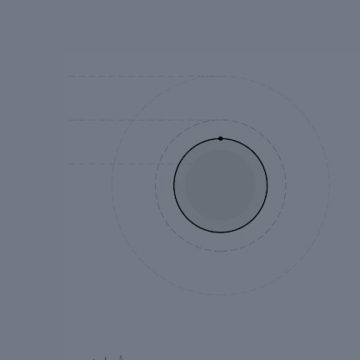
Credit: Leonhard Pfister, originally published in UQx Denial101x Making Sense of Climate Science Denial, 2017 (CC-BY-SA 4.0)

Curated by Lea Rekow for BifrostOnline
AtmosphereClimate changeTemperatureWarmingWater Vapour

Related

Mapping Choices: New York City, U.S.A.

Representing climate change

Þorvarður Árnason and Greg Garrard reflect on the challenges of representing unsustainable carbon-dioxide emissions. Global warming and climate change are some of the best-known effects, of many, on environments around the world due to societies’ continued unsustainable burning of fossil fuels for their energy needs. Such effects are often difficult to represent in efforts to communicate scientific findings or policy priorities on climate change.

Mapping Choices: Melbourne, Australia

From the experts: The decline

  • Bifrost
    Themes
  • Bifrost
    Documentaries
  • Bifrost
    Insights
  • Bifrost
    Features
  • About
    Bifrost
  • Bridges
  • Papers &
    Reports
  • Interview
    Transcripts
  • Infographics
  • Maps
  • Science
  • Data
    Visualizations
  • Climate Stories
  • Podcasts
  • Presentations
  • Curated
    Perspectives
  • Sound Art
  • Image
    Galleries
  • How it
    Works
  • Exposing Denial
  • Calculators &
    Indices
  • Climate Kids
  • Open
    Learning
  • Resource
    Atlases
  • SDG
    Trackers
  • Toolkits
  • Mobilize
  • Twitter
  • Facebook
  • Instagram
  • Youtube
  • Privacy Policy